
Bhutan & Nepal Photography Holiday
Ten days. A Himalayan kingdom that chose happiness over GDP. You can tell.
Most countries want your tourism money. Bhutan is more selective.
The result is a place that still feels entirely like itself. Monks chanting at dawn. A festival that fills the capital once a year with the whole nation in silk and masks. A landscape so uncluttered it takes a moment to process. Most guests arrive slightly disbelieving. Most leave wondering why everywhere else is so loud.

WEATHER
17 – 25°C

DURATION
10 DAYS

DEPOSIT
FROM £867

GROUP
CURIOUS ADULTS

GROUP SIZE
MAX 10

DOWNTIME
BALANCED

HOTEL
3 *

PHYSICALITY
ACTIVE
share
Most amazing experience. Photography, Adventure, Lifelong Friendships. We had the most perfect curated experience in the land of Happiness. Grateful to Creative Escapes for putting all these elements together to make an out of this world trip happen. Lauren, Los Angeles


Highlights.

Behind the Scenes.
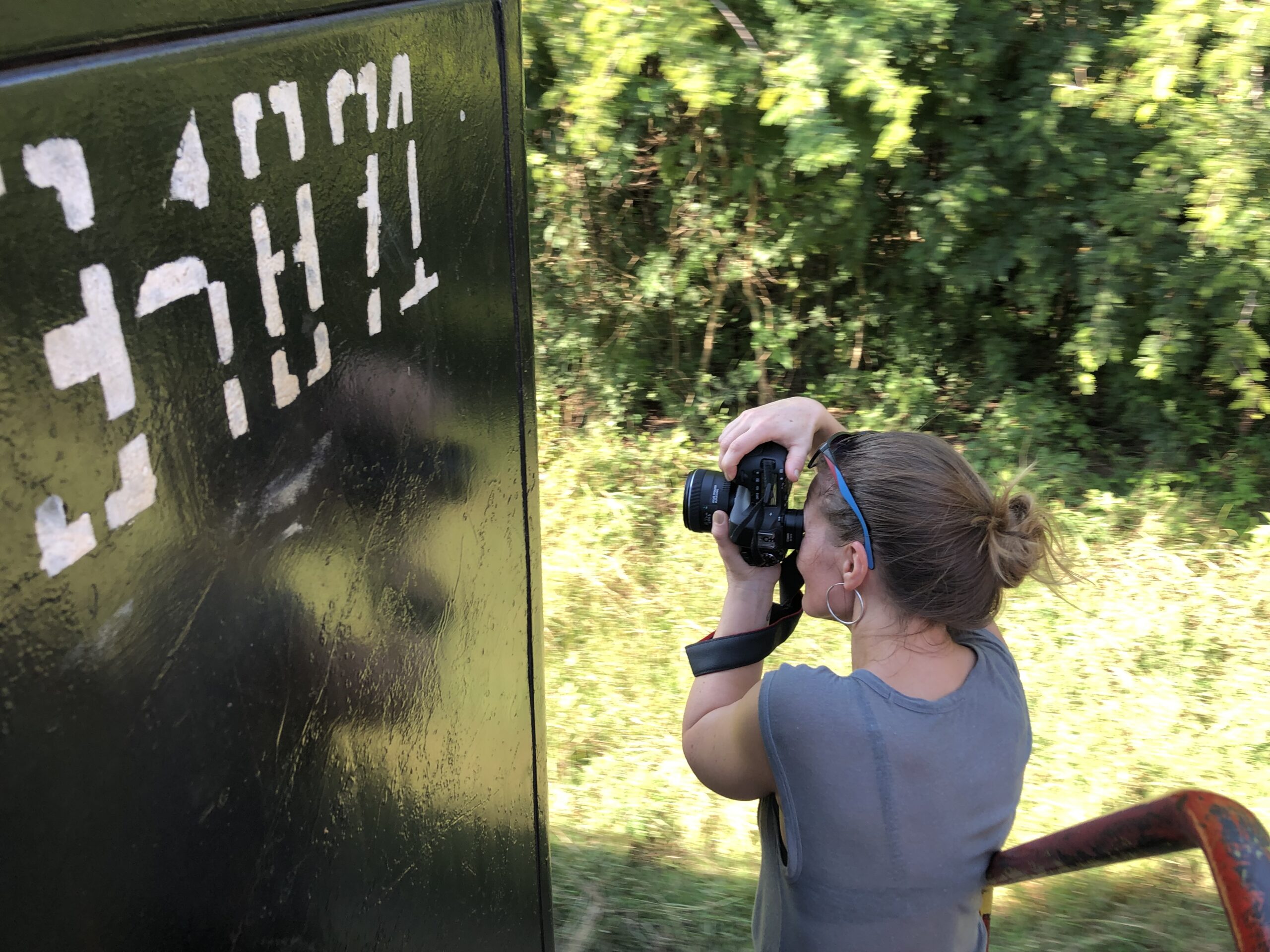
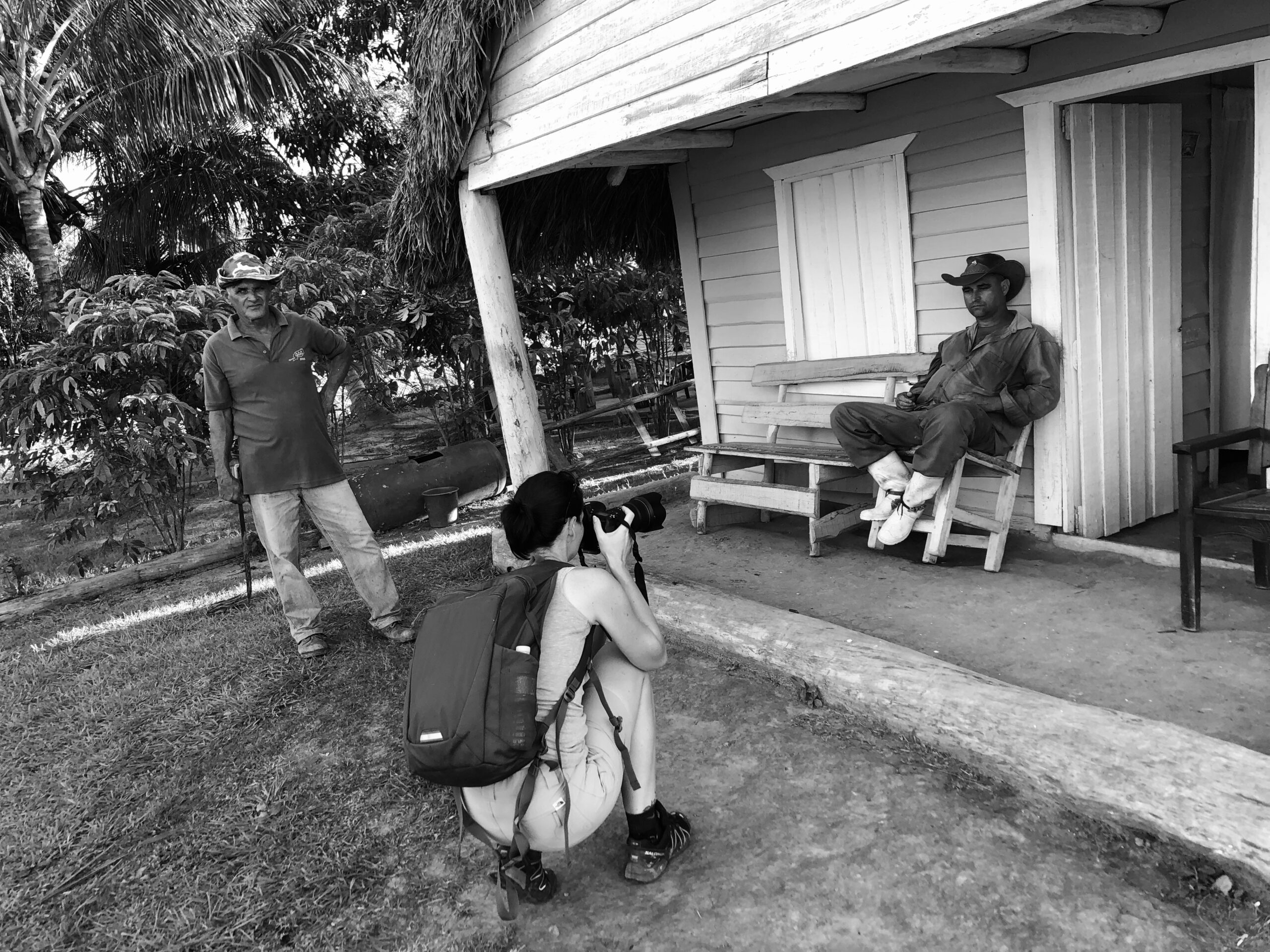
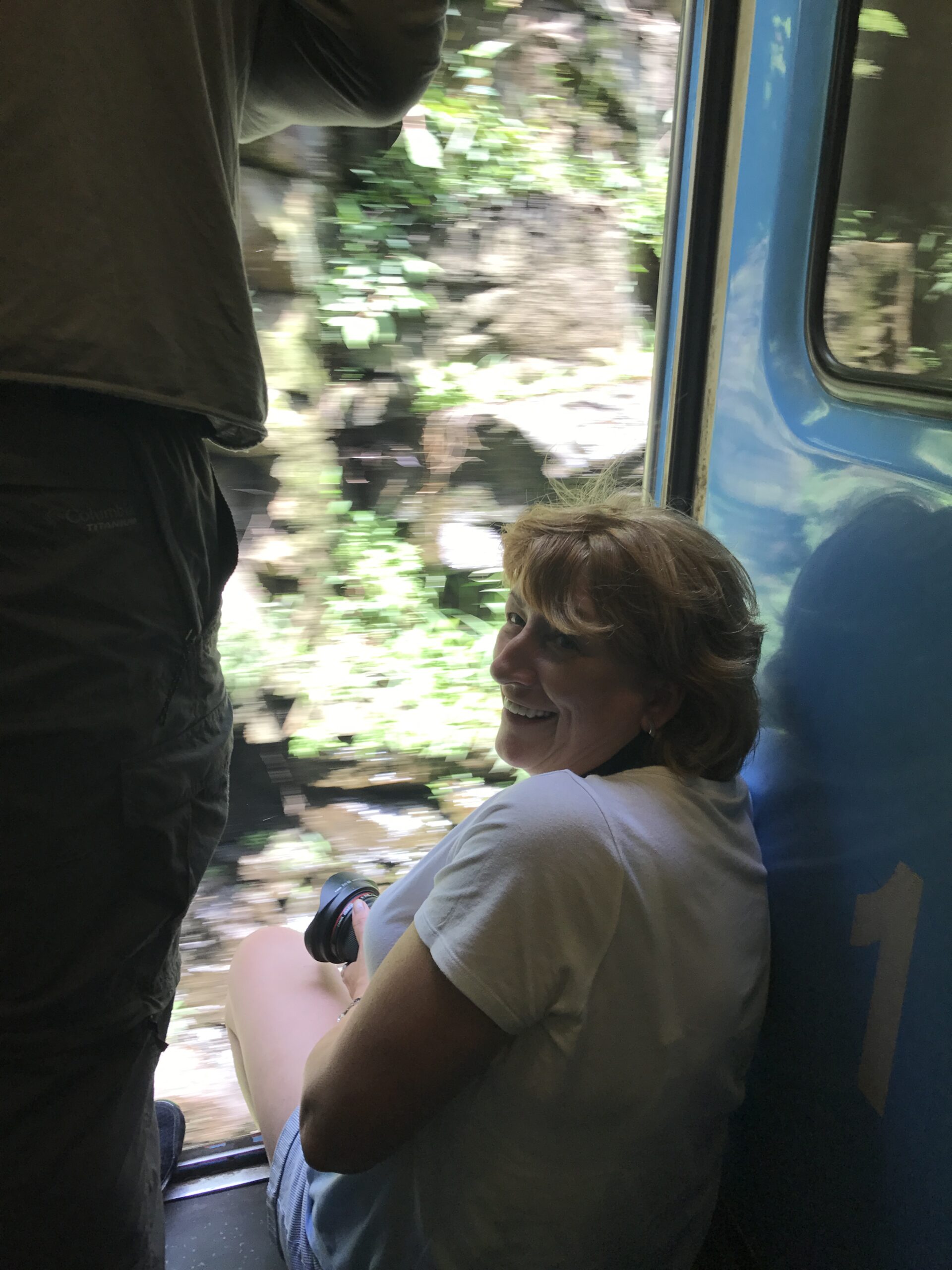

Itinerary.
Tomorrow you fly into one of the most protected countries on earth. Today, Kathmandu. At 1,400 metres it does the acclimatisation work quietly in the background while you get on with the business of arriving somewhere extraordinary.
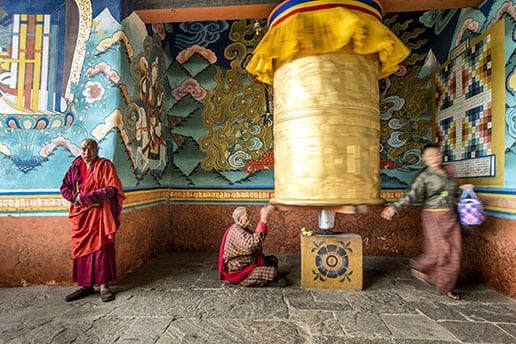
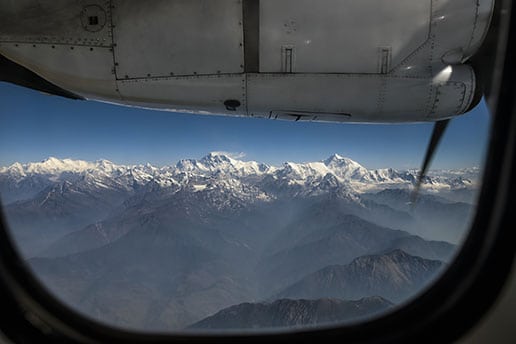
Most international flights land in the morning, which leaves the rest of the day free. We’ll meet the group, get out into the city, and head to Boudhanath Stupa at sunset. A 600-year-old whitewashed dome the size of a small hill, ringed by monks spinning prayer wheels, pilgrims circling on foot, butter lamps flickering in the mountain air. A good first evening. Early bed. Tomorrow we fly to Paro and Everest is on the left coming in.
First morning in Bhutan. Before anything else your guide spends a few minutes with you – phone or camera, it doesn’t matter – just enough so that by the time you walk into your first experience, using it feels natural rather than something you’re thinking about.
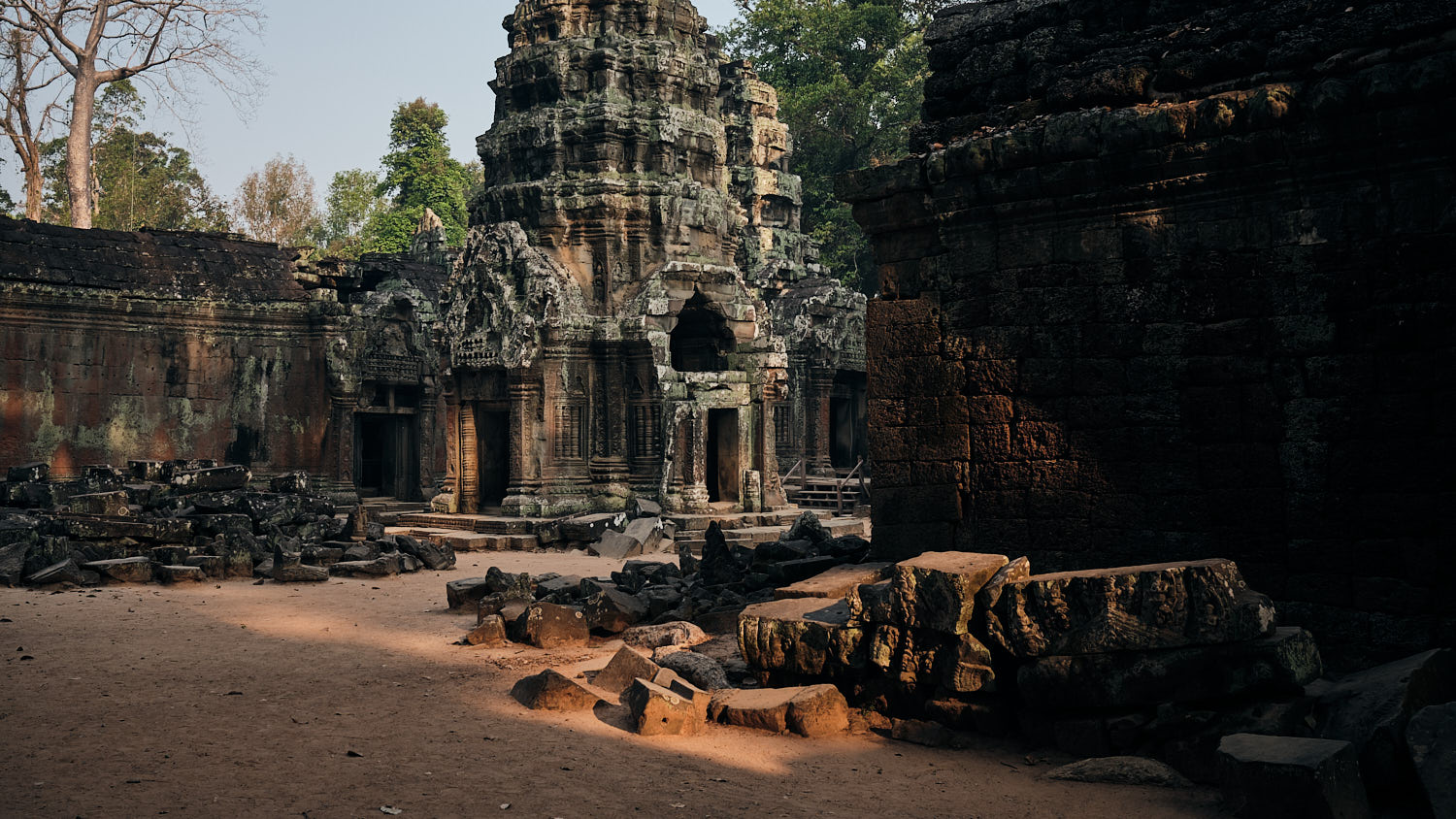
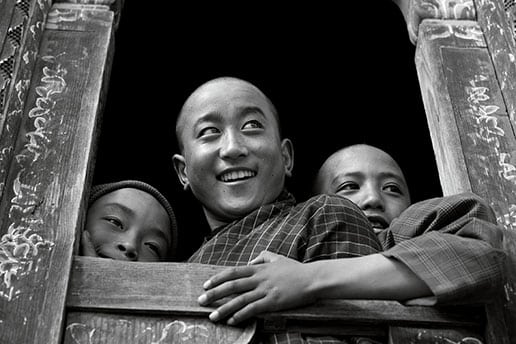
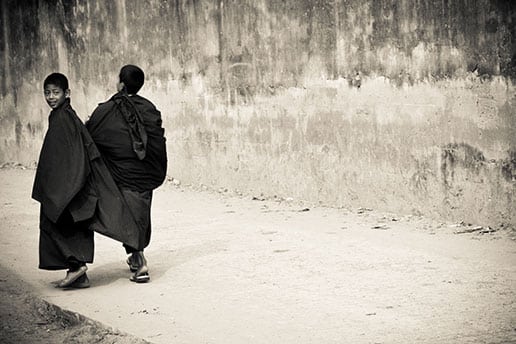
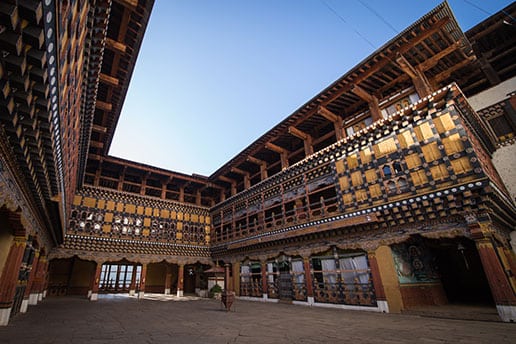
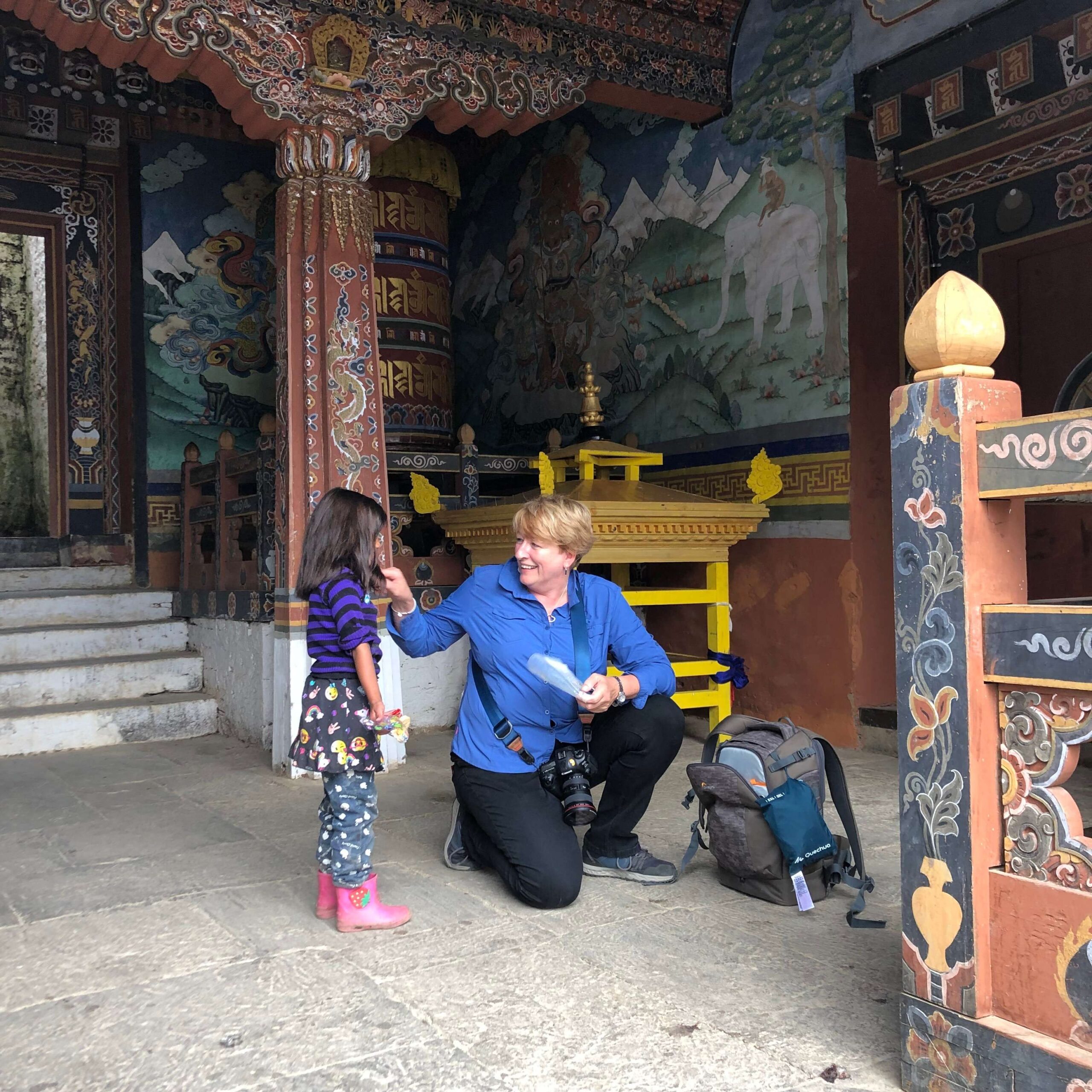
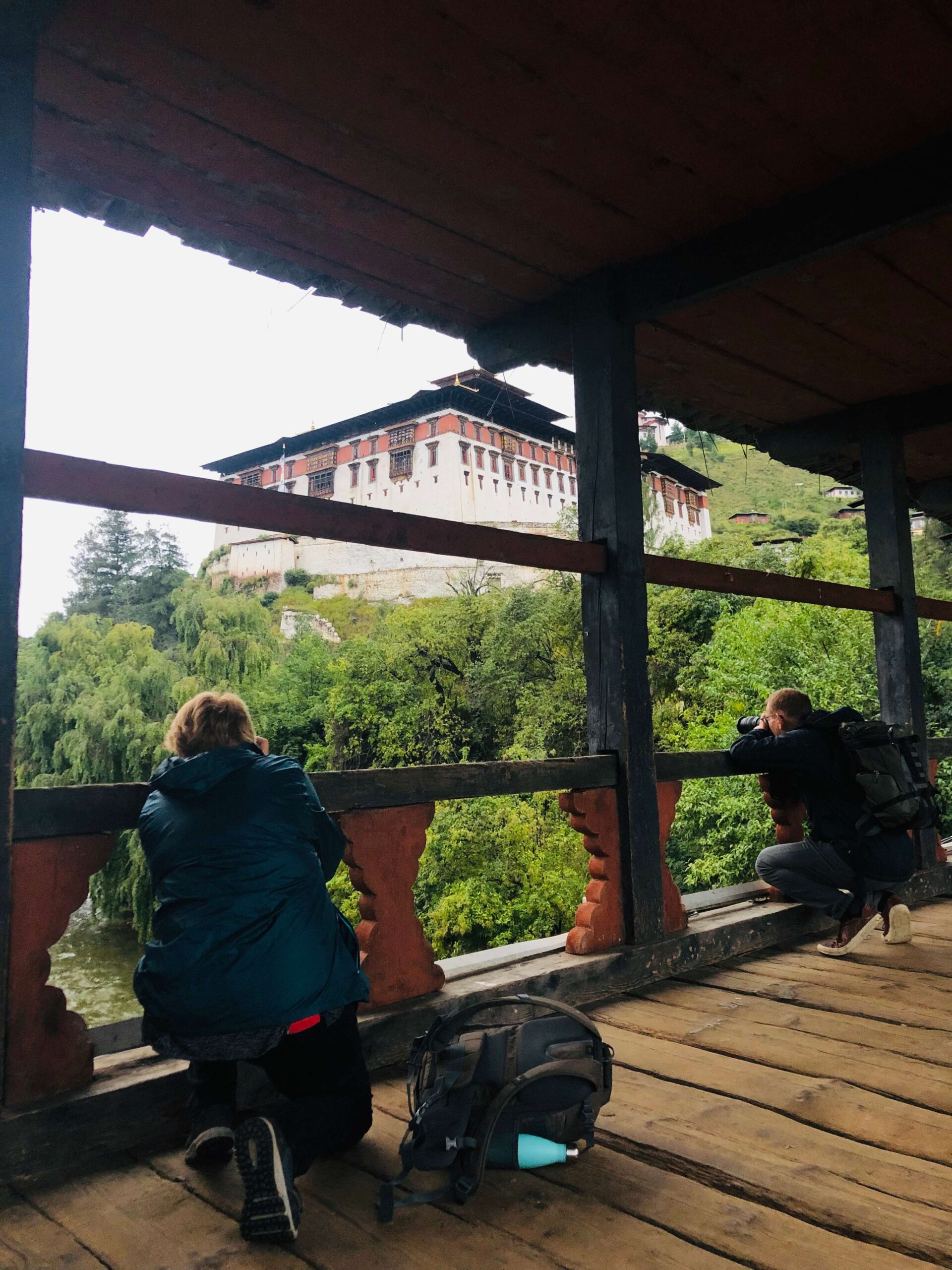
Then Paro. Small, unhurried, and immediately unlike anywhere you’ve been before. We head to Rinpung Dzong as the evening light comes in across the valley. Young monks playing in the courtyard. Architecture that stops you mid-sentence. A traditional cantilever bridge crossing the river below the fort walls. With a word from our guide the monks are usually happy to be photographed. Some will want to talk. Curiosity goes both ways here.
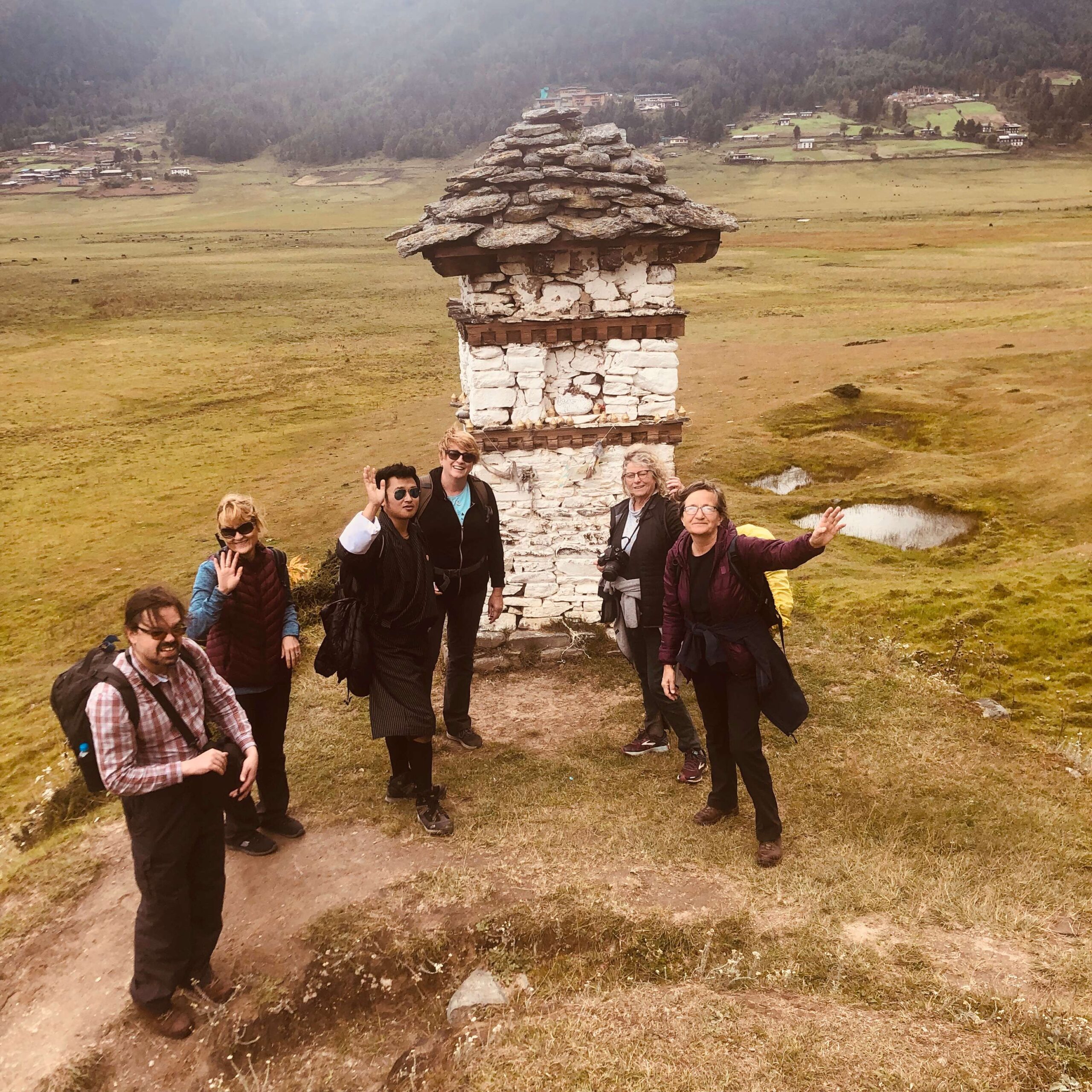
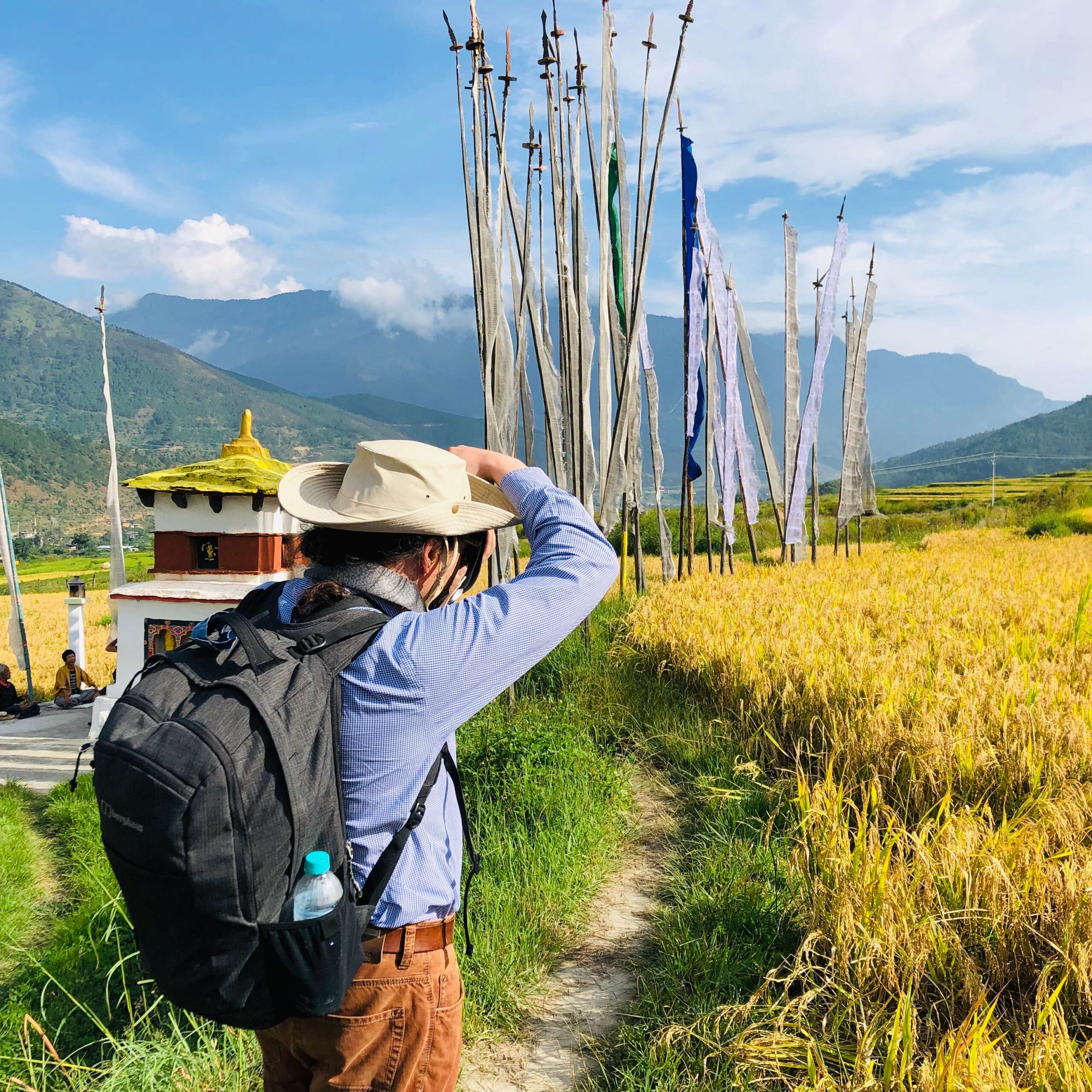
Early start and a drive west through Thimphu towards Punakha. The road climbs to Dochula Pass at 3,150 metres where 108 white chortens stand in a row against the sky. On a clear morning the high Himalayas are laid out in front of you, uninterrupted, all the way to the horizon.
There is an optional guided meditation here with a monk from the central body, in a small cave in the forest. You don’t have to do it. Some people find it changes the rest of the day.
Then down into a completely different Bhutan. The valley is subtropical, warm, thick with rice terraces and mango trees. We visit Chimi Lhakhang, the Temple of Fertility, built in honour of a monk so unconventional he is known as the Divine Madman. The hike down through the village takes you past people working the fields in the late afternoon light. Slow down here. This is the first day you realise nobody is rushing anywhere.
This morning’s drive takes you through rice terraces and pine forest to Khamsum Yulley Namgyel Chorten, a small temple on a hilltop that rewards the forty-five minute hike with views over the whole valley. Worth every step.
Then Punakha Dzong. Built in 1637 at the exact point where two rivers meet, it is widely considered the most beautiful building in Bhutan. We take our time here. The courtyard, the monks going quietly about their morning, light coming through latticed windows onto stone floors that have been walked on for four centuries. Afterwards, a crossing of the suspension bridge and into the village of Drinchengang. Local people, working farmland, late afternoon light. No agenda. Just the place.
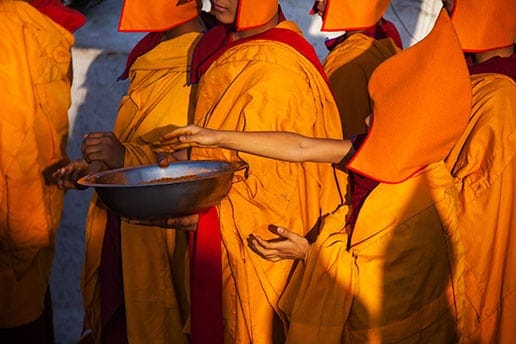
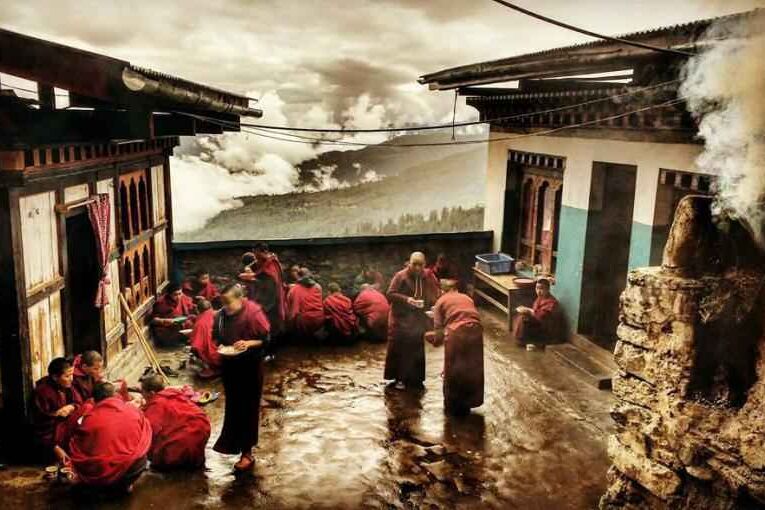
A 5am start. Worth it. We join the monks at Pho Chu Dumra Lobdra monastic school for their morning chanting, robed and in full ceremony. Afterwards, breakfast with them. The chief lama usually sits with the group. It is one of those mornings that is hard to explain to people afterwards but that you think about for a long time.
Then Thimphu, the capital. The Buddha Dordenma statue watches over the whole valley from the hillside above the city. We attend a private butter lamp ceremony here. You are not watching. You are participating, lighting a lamp with the specific intention of dispelling darkness from the world. It costs nothing and lands differently than you expect.
Late afternoon, the memorial stupa of the third king. The elderly come here to circumambulate and pray, beads working through fingers, the city going about its business around them. Bring your camera. This is a day worth paying attention to.
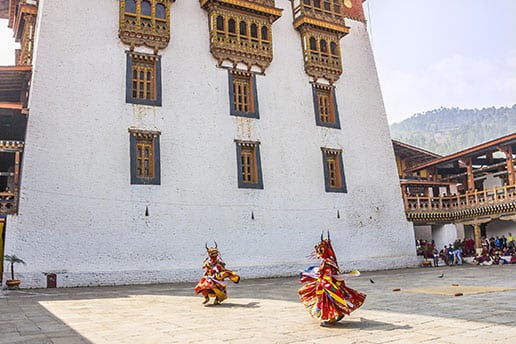
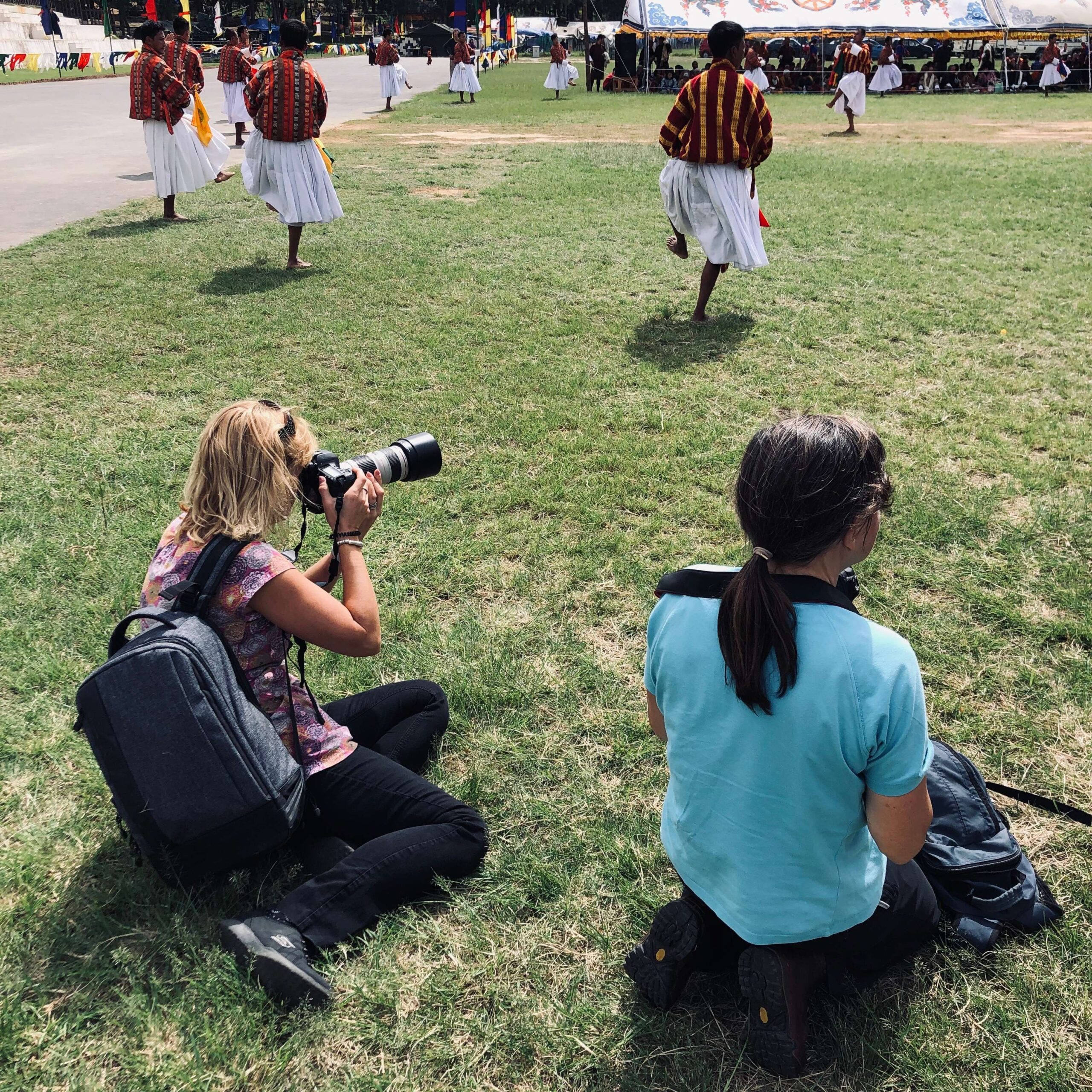
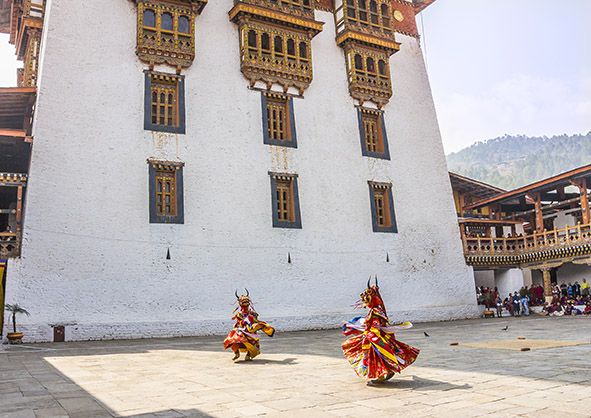
The Thimpu Tsechu. The whole city has been building towards this. Families who have travelled for days to be here, everyone in their finest silk and jewellery, children on shoulders trying to see over the crowd. In the arena, masked dancers perform the cham, ritual dances honouring Guru Rinpoche that have run uninterrupted for centuries. Most visitors watch from the back. We don’t.
In the afternoon we walk to the festival market along the river. Stalls selling everything from fresh produce to prayer beads, the whole town in one place. Stay loose, move slowly, let the day come to you.
After a final morning at the festival we drive back to Paro. The afternoon is spent at a farmhouse making tsa tsa, small clay stupas that Bhutanese Buddhists have been crafting for centuries. You make your own, document the process, shoot portraits of the family. Then prayer flag printing, the same flags you will carry up Tiger’s Nest the following morning. Go to bed early. The alarm is at six.
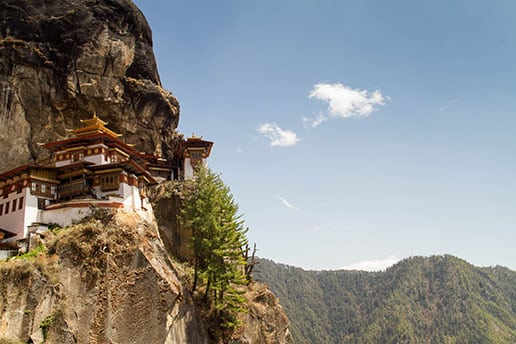
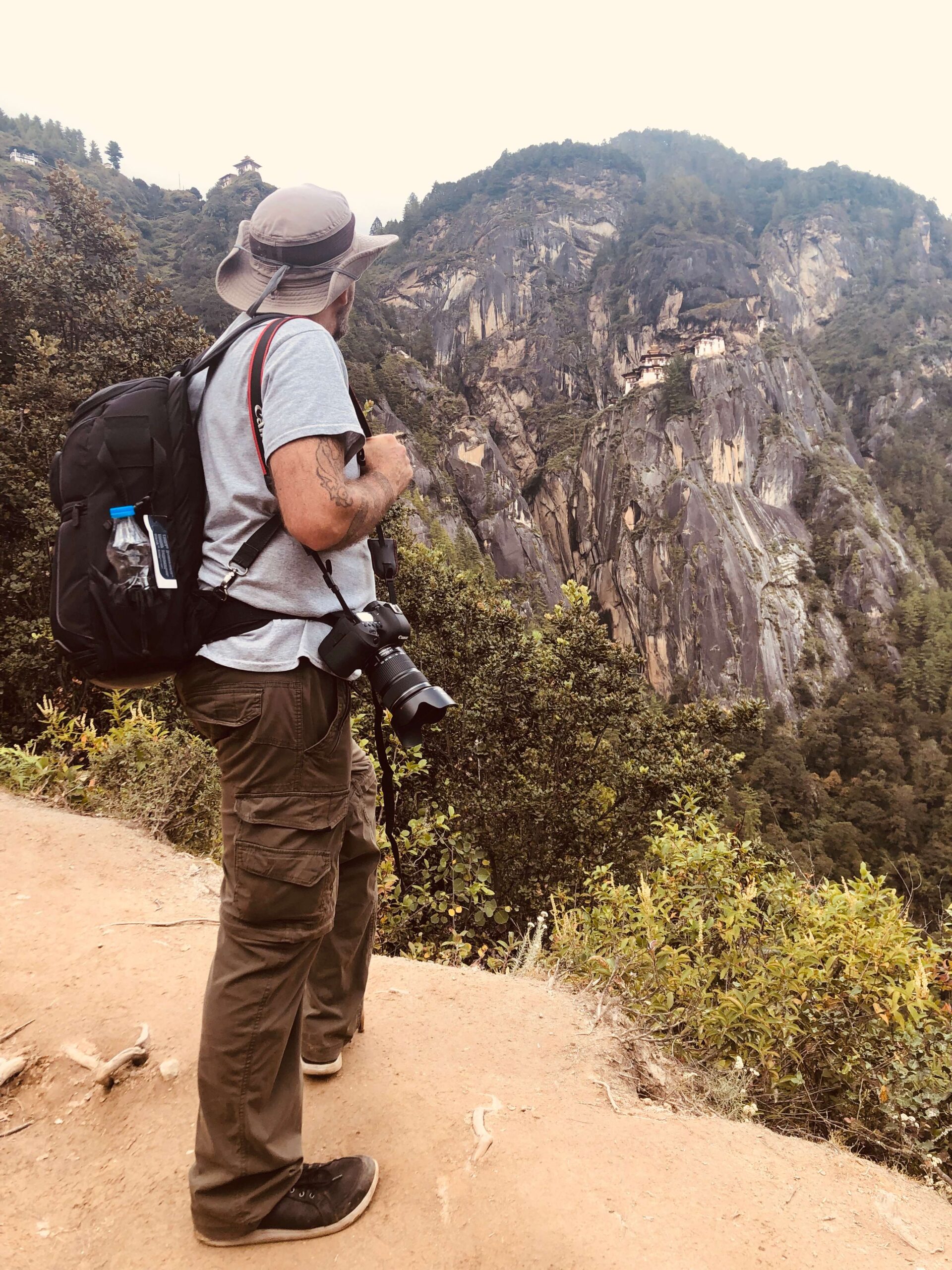
The hike to Taktsang begins before sunrise. The monastery has clung to its cliff face at 3,000 metres since the 8th century and nothing quite prepares you for the first time it appears through the trees above you. The trail takes two to three hours and gives you different things at every level: mist in the pines, prayer flags strung between rocks, the valley falling away below. If the full hike isn’t for you there is a viewpoint partway up that most people consider spectacular enough, and a pony if you’d rather arrive than walk. At the top you leave your tsa tsa in the cave and hoist your flags. What you made yesterday is now part of the place.
Afterwards, a traditional hot stone bath at a local farmhouse. The minerals are said to be good for joint pain and tired legs. After that hike, no further persuasion is needed.
The final full day in Bhutan starts with a drive up to Chelela Pass and a one-hour hike to Kila Gompa Nunnery, founded in the 9th century and home to sixty nuns who have largely been left alone to get on with it. We eat a picnic lunch up here in the pine forest. It is a very still place. The kind that makes you want to stay longer than the schedule allows.
The afternoon is considerably livelier. Back down in Paro you are invited to pull on national dress if you fancy it, then play archery against the guide, the driver and any locals who fancy their chances. Bhutanese archery involves targets set at distances that seem optimistic. The traditional tactic for unsettling your opponent is singing and dancing at them while they shoot. A shot of ara, the locally brewed wine, is said to improve hand-eye coordination. Nobody has ever disproved this.
The flight out leaves early. Everest is on the right this time. Same mountain, different direction, different person looking at it.
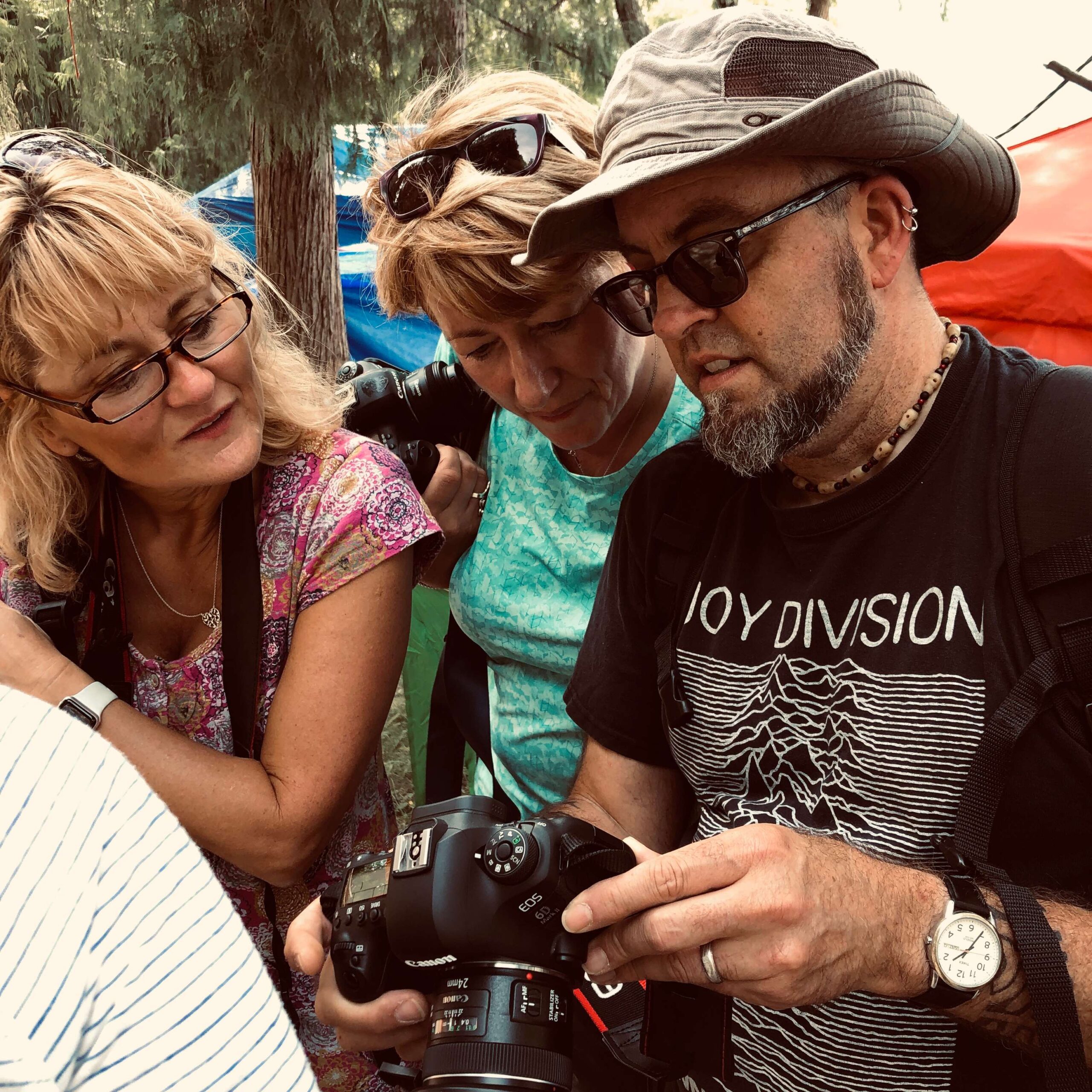
There is time in Kathmandu before the international flight home. Your guide sits with you and goes through the week’s pictures. Not a critique. Just the two of you, looking at what came back. Most people come home from a holiday with one or two stories. You have ten. And the pictures to prove it.

Dates & Prices.
7 – 16 October, 2027
10 days. 9 nights. Starts and ends in Kathmandu, Nepal.
£4335 | Single Supplement £380
Price includes
10 days, 9 nights accommodation at listed hotels (or similar 3* properties)
10 full days from our UK-based photographer/guide
1-to-1 photography guidance throughout, at your pace
The daily Sustainable Development Fee (SDF) charged by the Bhutanese Government
Daily breakfast, lunch and dinner in Bhutan
A licenced Bhutanese Government Guide for the duration of your stay
Access to Thimphu Festival, plus all activities including butter lamps, hot stone bath, archery and meditation session
All internal ground transportation with private driver, including airport transfers
Bhutan visa processing and visa fee
Price excludes flights and meals in Kathmandu.
There are no direct flights to Bhutan from the UK. You route via Kathmandu, which suits us – a night there at altitude starts the acclimatisation process before Paro’s higher ground. Return flights from Kathmandu to Paro are around £400. Flights from the UK to Kathmandu start at around £500.
One important thing to know before you book flights: we confirm the trip once minimum numbers are reached. We will contact you as soon as that happens and suggest the best flight options at that point. Please do not book flights before we confirm. We know that feels like an extra step. It protects everyone.

Babar Mahal Villas, Kathmandu
An old palace courtyard in the middle of the city. Stone paths, warm light, quiet corners that seem to slow time down. A good place to arrive.
City Hotel, Thimphu
In the heart of Thimphu, with the markets below and the mountains beyond. Simple, comfortable, exactly where you want to be for the festival.
Gawaling, Paro
High above Paro, wrapped in pine and prayer flags. Hot butter tea in the morning, the sound of distant monks, a valley that looks different every hour.
Meri Puensum, Punakha
A calm, unhurried hotel in a calm, unhurried valley. The kind of place that makes the itinerary feel less like a schedule and more like a holiday.
Your first Creative Escape is always over whelming and uniquely memorable, leaving you thinking that the second will never match up… but it does! By the time you’ve returned from your third Escape you realise you’ve had three amazing, action-packed holidays, explored pockets of countries & cultures beyond the tourist traps, but you’ve also made a stack of new like-minded friends, whilst having a blast.Shakira, Belfast
Additional information
| Single Supplement - £380 | Yes, No |
|---|---|
| Date | 16 – 25 September, 2026, 7 – 16 October, 2027 |