



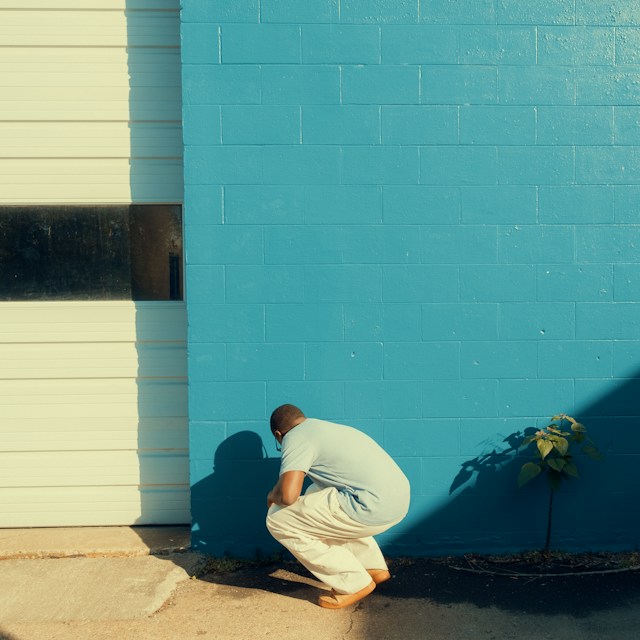
I thought the picture was the point. Then I read about the painters.
There’s an odd detail in a book I’ve been reading.
In the 1960s, the psychologist Mihaly Csikszentmihalyi was studying how artists worked. He watched them spend hours absorbed in a painting. Then, when it was finished, some seemed to lose interest in it. They would put it aside and start on something else.
That raised a question for him. What was so absorbing about making the painting, if the finished thing seemed to matter less than we might expect?
We’ve all felt something like it. You look up and an hour has gone. You’ve been so caught up in what you were doing that you haven’t checked your phone, thought about what’s for dinner, or noticed the light changing. Sometimes you’ve made something you’re more than happy with. Sometimes the result is perfectly ordinary, but you’re glad you spent the time. You might call it being in the zone.
Csikszentmihalyi wanted to understand what was happening in those moments, and whether there were conditions that made them more likely. He began with artists, then looked at people doing all sorts of things: climbing, playing music, chess, surgery. People described a similar feeling of being carried along by the activity. He called it flow.
The name has since acquired diagrams, charts and rather earnest advice about how to get into the zone. The original question feels simpler: why do some activities make us want to keep going, even when there’s no prize at the end?
It isn’t quite the same as mindfulness, though there’s a family resemblance. Mindfulness is often about noticing what is happening. Flow is more active. You have something to do, it asks a little of you, and you become absorbed in doing it. You’re not watching yourself do it particularly well. You’re just there, getting on with it.
That last bit feels familiar. A good walk can do it. So can cooking something that needs a bit of attention, drawing, gardening, or trying to take a photograph in a place you don’t yet understand. You begin with a small intention. Then something catches your eye. You adjust. You try again. The hour goes somewhere.
We’re quite good at asking what an activity produces. Did you finish the painting? Get the photograph? Learn the skill? Have something to show for the time? These are reasonable questions. They’re also a way of missing what might have been good about the time itself.
A hobby can become another small job if we insist on measuring it. The sketch has to improve. The walk has to count towards something. The photograph has to be worth keeping. It’s possible to spend so much time judging the result that you barely notice the pleasure of making it.
Travel has its own version of this. We arrive somewhere unfamiliar and feel we ought to take it all in. The sights, the food, the history, the light. A camera can become one more way to collect evidence that we were there. But it can also give us a modest reason to stay with one thing for a little longer. The way the light falls across a wall. Someone’s hands at work. The scene that seemed ordinary until we stopped and looked.
The picture may be good. It may not be. Either way, you have spent a while paying attention. That counts for something, even if it doesn’t make it into the album.
I don’t think the lesson is that we should all try to find flow, as if it were a place we could book a ticket to. It sounds exhausting to turn enjoyment into another thing to achieve. Maybe it’s enough to notice which activities make us forget to check the time, and give them a little room.
The artists in Csikszentmihalyi’s study were not indifferent to their paintings. They had worked hard on them. But perhaps the pleasure was never stored only in the finished object. Some of it had already happened, while they were making it.
Maybe that is reason enough to pick something up again.

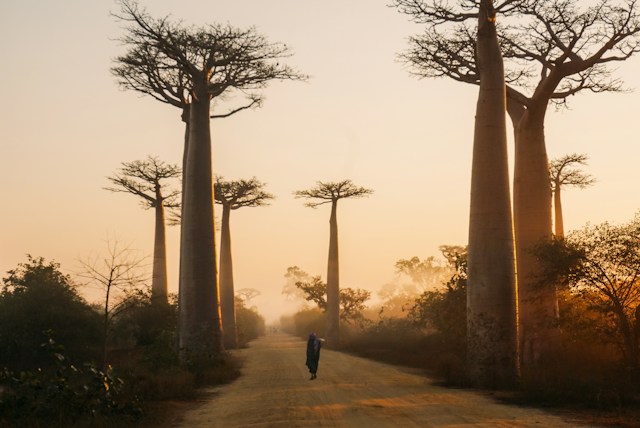
Every trip counts towards the next.
Every November, we bring back our Loyalty Reward as a little thank-you to everyone who’s travelled with us before.
The more trips you’ve completed, the more your reward adds up. And yes, there’s no cap. If you’ve been away with us ten times, all ten count.
I hope it gives you a good excuse to start thinking about where to go next.
See you out there,
What you've earned.
£100 off your next long-haul for every completed long-haul you’ve taken with us.
£50 off your next long-haul for every completed short-haul you’ve taken with us.
Two long-hauls and two short-hauls under your belt?
That’s £300 off another long-haul. Not bad for having been away with us before.
This year, you can use your reward on a 2027 long-haul holiday booked by 1 December 2026.
It can’t be used on a short-haul trip.
How it works.
STEP ONE
Choose a 2027 long-haul holiday and book by 1 December 2026.
STEP TWO
Book at the price shown online. You don’t need a discount code.
STEP THREE
We check your previous completed trips and calculate your reward.
STEP FOUR
We confirm the amount by email and deduct it from your final balance. We’ll send you an updated booking form showing the discount.
The details, in plain English.
Who can use the reward?
Anyone who has previously completed a Creative Escapes holiday. Only trips completed before your new booking count.
Which new trips qualify?
The reward can be used only on a 2027 long-haul holiday booked between 13 November 2026 and 1 December 2026. It can’t be used on a short-haul booking.
How much is it?
You receive £100 for each completed long-haul trip and £50 for each completed short-haul trip. There’s no cap on the total reward. Every qualifying trip counts.
How do I claim it?
No code is needed. Book at the listed price and we’ll check your travel history. Once your booking is confirmed, we’ll email you the total and deduct it from your final balance. Your updated booking form will replace the initial confirmation.
Can I combine it with another discount?
No. The Loyalty Reward can’t be combined with another discount or promotional offer.
Can I give the reward to someone else or take it as cash?
No. It belongs to you, can’t be transferred, and has no cash value.
All bookings remain subject to Creative Escapes’ standard booking terms and conditions.